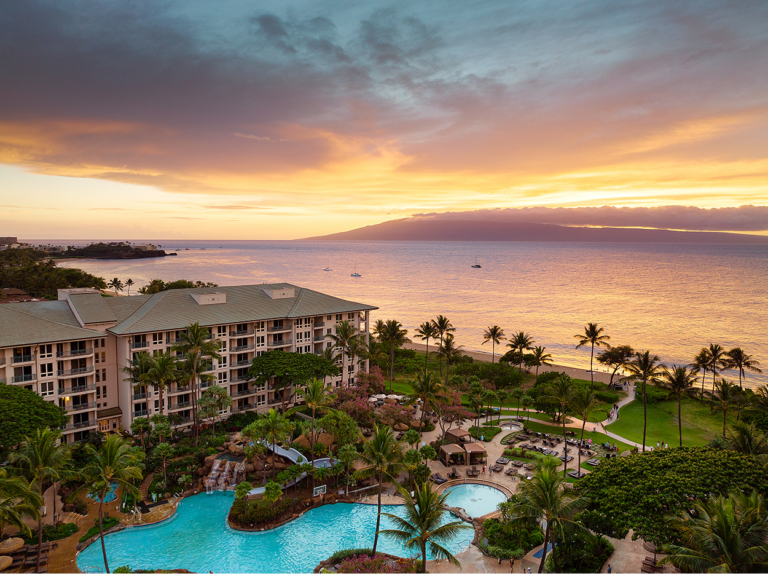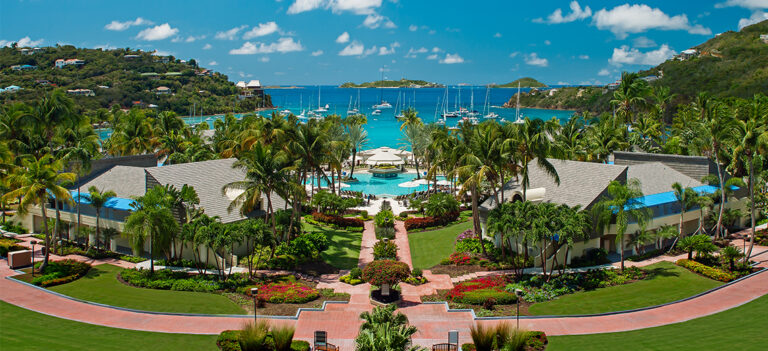

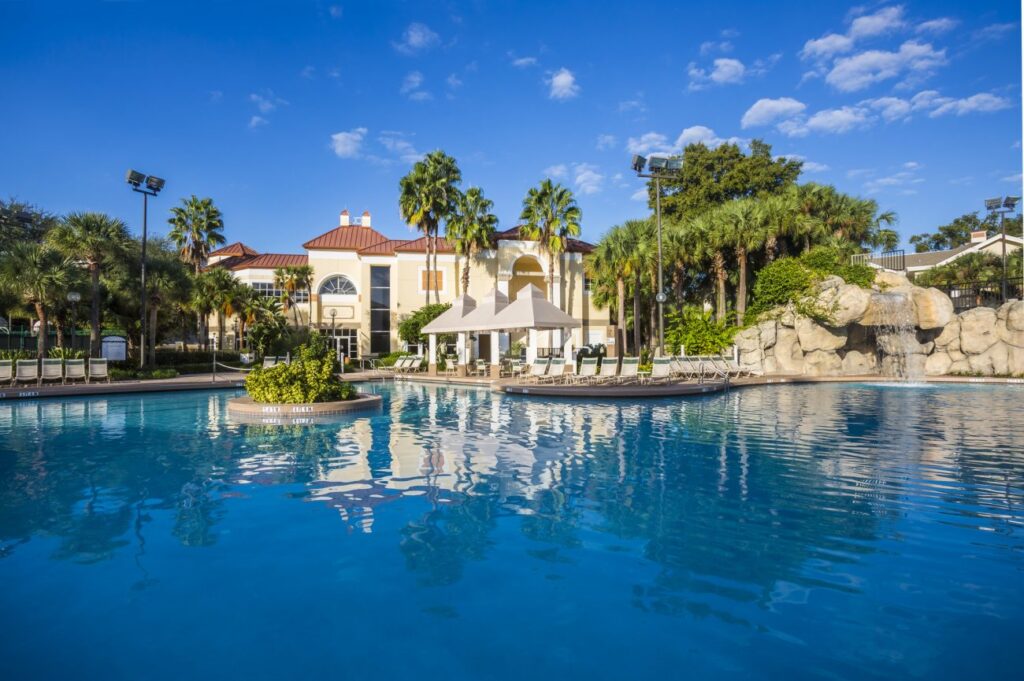
Vistana’s history reads like a roadmap of the modern timeshare industry itself. What began in 1980 as a single condo-style resort in Orlando grew into one of the most influential vacation ownership programs in North America. Along the way, it passed through the hands of Starwood, Interval Leisure Group, and finally Marriott Vacations Worldwide, each transition reshaping the points, brands, and exchange rules that owners still live with today.
Click each historical milestone below to expand the business mechanics, corporate acquisitions, and structural shifts that affect your ownership deed and points today.
The Founding Era: Sheraton Vistana Resort
Vistana started in 1980 in Orlando, Florida, founded by brothers Raymond Arthur Grady and Raymond Tom Grady, along with partner Jeffrey Adler. Their flagship development, Sheraton Vistana Resort, sat minutes from Walt Disney World, prime ground for a vacation ownership product aimed at families.
The property was a condo-style timeshare community: spacious multi-bedroom villas with kitchens and laundry, a sharp contrast to the standard hotel room of the era. This format proved ideal for families staying a week or more.
Why the Sheraton Affiliation Mattered
In 1980, the major hotel chains viewed timeshares with deep suspicion. The industry had a reputation problem driven by high-pressure sales and underbuilt projects. Vistana operated through a franchise affiliation agreement with Sheraton Hotels, which proved pivotal for a simple reason:
- It paired an independent developer with a globally recognized hospitality brand.
- That brand association lent credibility to a product category most consumers distrusted.
- It signaled that condo-style timeshares could meet the service standards of upper-tier hotels.
This early move helped legitimize the entire concept. Years before the big hotel chains embraced vacation ownership themselves, Vistana showed that a respected brand name and a well-run resort could change public perception.
The Starwood Acquisition (~$135 Million)
In 1999, Starwood Hotels and Resorts Worldwide acquired Vistana for approximately $135 million. Starwood rebranded the corporate entity as Starwood Vacation Ownership (SVO).
This was a turning point. Starwood owned two powerhouse hotel brands, Westin and Sheraton, and it put those trademarks to work building upper-upscale vacation properties. SVO began developing resorts in premier destinations, attaching Westin and Sheraton names to villa communities that competed directly with Marriott’s own timeshare arm.
For buyers, this era produced much of the inventory now traded on the resale market: Westin and Sheraton branded villas built to a higher finish level than the original 1980 product.
The Launch of Starwood Vacation Network & StarOptions
A common point of confusion: if Sheraton and Westin are two different hotel styles, why are their timeshares treated as one brand? The answer lies in how Starwood built the system from the start.
Shared SVO DNA
From day one, Starwood Vacation Ownership built a single unified backend, one management infrastructure, one sales force, and one operations pool. It never ran Sheraton and Westin timeshares as two separate companies. The brands were two faces of one operation.
The Starwood Vacation Network and StarOptions
In 2000, SVO launched the Starwood Vacation Network (SVN), anchored by a universal points currency called StarOptions. This was the mechanical glue that tied everything together:
- StarOptions served as a single, cross-compatible internal exchange currency.
- Westin owners could book Sheraton properties, and Sheraton owners could book Westin properties.
- Owners deeded at one resort could reserve at others within the network using their StarOptions allotment.
This is why the two brands have always functioned as one product at the system level. The points didn’t care which logo was on the building.
Marketing Segmentation Versus System Reality
The split between Westin and Sheraton timeshares was a marketing decision, not a structural one:
- Westin positioned itself around upscale wellness, think Heavenly Beds and a more refined, adult-oriented feel.
- Sheraton leaned into family-centric, active resort environments with pools, activities, and kid-friendly amenities.
Underneath those distinct identities, the points framework and operational management were identical. For buyers and owners, this means a Westin or Sheraton purchase plugs into the same StarOptions system regardless of the brand name on the deed.
Vistana Signature Experiences Rebrand
By 2015, Starwood had adopted an asset-light strategy, a common move among hotel companies looking to shed capital-heavy assets and focus on brand management and fees. Starwood announced plans to spin off its timeshare business into a separate, independent public company.
As part of that plan, the company deliberately revived the legacy name, branding the timeshare entity Vistana Signature Experiences. Reaching back to the original 1980 brand gave the spin-off its own identity, distinct from the Starwood hotel parent it was about to leave behind.
The ILG Reverse Morris Trust Merger ($1.5 Billion)
In 2016, Interval Leisure Group (ILG), the parent of the exchange network Interval International, acquired Vistana in a $1.5 billion transaction. The deal was structured as a tax-free Reverse Morris Trust, a method that let Starwood spin off the asset and merge it into ILG without triggering a large tax bill.
The merger created several lasting outcomes:
- ILG became a massive vacation ownership developer overnight.
- ILG secured an 80-year exclusive license to the Sheraton and Westin vacation ownership brands.
- The structure preserved the brand relationships owners relied on.
There was also a critical timing element. This transaction had to clear before Marriott International could complete its purchase of Starwood’s hotel assets. The timeshare business needed a clean home before the hotel megadeal could finish, making 2016 a pivotal year in the broader hospitality reshuffle.
The Marriott Mega-Merger ($4.6 Billion)
In 2018, Marriott Vacations Worldwide (MVW) purchased ILG for $4.6 billion. This brought Vistana, Sheraton Vacation Club, and Westin Vacation Club under the same corporate roof as Marriott Vacation Club.
Here’s a distinction that trips up many owners and worth stating plainly:
- Marriott International is the hotel company. It operates hotels and runs the Marriott Bonvoy loyalty program.
- Marriott Vacations Worldwide (MVW) is the standalone timeshare company. It spun off from Marriott International in 2011 and operates independently.
So when MVW bought ILG, it was the timeshare company, not the hotel company, consolidating the major branded vacation ownership players into one organization. For the first time, Marriott, Sheraton, and Westin timeshare products shared a single parent. That set the stage for the unified exchange system that followed.
Integration Into the Abound Exchange Program
The culmination of four decades of mergers arrived in 2022 with the launch of Abound by Marriott Vacations. This program tore down the internal walls that had separated the legacy systems.
Before Abound, Vistana owners and Marriott Vacation Club owners lived in largely separate worlds, each with its own points and booking pool. Abound changed that by standardizing values across the combined portfolio. The practical results for owners:
- Vistana owners (Sheraton and Westin) and Marriott Vacation Club owners can trade points within one program.
- Members can cross-book across a portfolio of 90-plus luxury villa resorts.
- Owners gain access to the broader Marriott Bonvoy catalog of hotels and experiences.
Are Resale Ownerships Eligible For Abound?
Vistana owners who were enrolled in Vistana Signature Network prior to August 9th, 2022 will be able to elect to receive Club Points. Resale purchases after this date do not qualify for the Abound program, but also owners will not be required to pay the annual Abound Club Dues. Owners who purchase at a mandatory resort can still use StarOptions to book other Westin and Sheraton properties, and all owners can access Interval International to exchange into any Marriott, Westin, or Sheraton property.
For buyers, sellers, and current owners, this history is not academic. The brand on your deed, the StarOptions you hold, and your access to these incredible resorts all stem directly from these corporate milestones.
If you’re evaluating a Vistana ownership on the resale market, understanding how the resale market works and which benefits are available is an important step. If you’d like to continue to learn with us, feel free to browse our vast catalog of Vistana articles that are sure to bring you to an expert level of knowledge.
If you would like to learn more about the process of selling your Vistana (Westin or Sheraton) timeshare or buying a Vistana resale, please contact us today. Our licensed agents are standing by to answer any questions you have, and offer guidance based on their many years of specializing in Westin and Sheraton resales.