

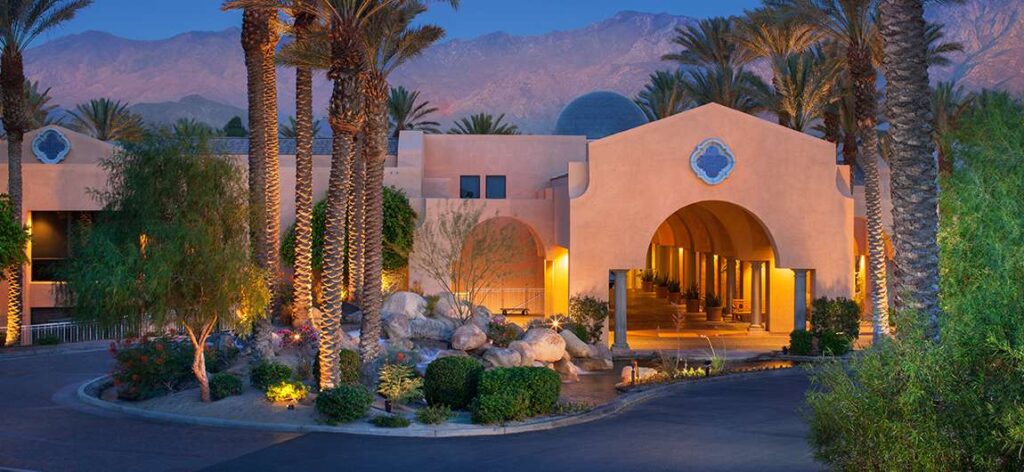
Westin Mission Hills timeshare owners have secured a significant legal victory against Riverside County, one that puts real money back in their pockets. After years of being charged an unlawful fee on their annual property tax bills, owners now have a clear path to reclaiming what they were overcharged.
This article explains exactly what happened, what the court decided, and, most importantly, how you can file your own claim.
What Exactly Were Owners Overcharged?
The court’s findings revealed that the fee exceeded the lawful amount by $23 per timeshare week. On the most recent tax bills, the fee had already been reduced from its peak of approximately $32 to $8.88, reflecting an adjustment by the County. However, owners were still owed the $23 difference for prior fiscal years.
At the association level, the legal victory translated into a direct refund of $21,447.50 paid to the homeowners’ associations. Those funds are being applied to the operating surplus, which will help offset future maintenance fees for all owners.
For individual owners, the math is straightforward: $23 per timeshare week, multiplied by each eligible fiscal year you file for.
Which Fiscal Years Are Eligible for a Refund?
Owners may file refund claims for three fiscal years:
- FY2023
- FY2024
- FY2025
There is no refund available for FY2026. Owners who hold more than one timeshare week may file for each week separately.
How Did the Fee Get Identified as Unlawful?
The road to this outcome was not a short one. It began with a single board member noticing something unusual on a tax bill, and it ended with a published appellate court decision that carries weight across California. For owners who act promptly, the payoff is concrete: up to $69 in refunds per timeshare week across three eligible fiscal years.
The story starts in 2021, when Westin Mission Hills Board Member James Scott examined his property tax bill closely and noticed a charge listed as the “Timeshare Sep Asmt Fee.” The fee, which at the time was approximately $32 per timeshare week, did not appear to meet the legal standards required of a valid government fee in California.
Scott took the matter to Riverside County Superior Court, arguing that the fee was, in substance, an unconsented tax. The Superior Court ruled against him. Undeterred, Scott appealed. The appellate court reversed the Superior Court’s judgment and sent back the case for further proceedings on the refund amount.
In plain english: the court agreed that the fee was unconstitutional and that owners had been overcharged.
Step-by-Step: How to File Your Individual Refund Claim
Because the associations cannot file collectively on behalf of individual owners, each owner must submit their own claim directly to Riverside County. Here is how to do it.
Locate the Claim for Refund of Tax Payments Form
Westin Mission Hills General Manager Ricardo Sequeira sent an email to owners containing a fillable PDF form titled “Claim for Refund of Tax Payments.” Locate that email and download the form before proceeding.
Complete Section A (Claimant’s Information)
Complete Section A with the appropriate name and address information. The address provided should reflect
where the refund check is to be sent and does not need to match the address of the timeshare property
Complete Section B (Property Information)
In Section B, enter your Assessor’s Parcel Number (APN) and the timeshare property address. This information links your claim to the specific property assessed by the County.
Complete Section C (Fiscal Years)
Complete Section C by entering FY2025, FY2024, and FY2023 (no refund is available for FY2026, as the County did not assess the fee). For each fiscal year, the Owner should identify the approximate dates of the two payments made during that period. For example, in FY2025, payments were due in December 2024 and April 2025.
If both payments were made, enter $23 as the Amount of Tax Claim and leave the Penalty Claim blank. The Total Amount will be $23. If only one payment was made, the Total Amount should be $11.50.
Include the Required Legal Language in Section D
This step is critical. Section D requires a written explanation for your claim. You must include the following language verbatim, exactly as written below:
“The $23 separate timeshare assessment fee is an unconstitutional tax because it was not voter approved and does not meet an exception to the definition of tax as set forth in California Constitution article XIII C section 1, subdivision (e). Scott v. County of Riverside (2025) 112 Cal.App.5th 265 describes the County’s deficiencies with respect to the setting of this fee.”
Do not paraphrase or modify this language. Including it word for word strengthens your claim and ties it directly to the published court decision.
Attach Proof of Payment
For each fiscal year you are claiming, you must include proof that the fee was paid. Acceptable forms of documentation include:
- A canceled check
- An ACH or EFT screenshot
- An official receipt from Riverside County
Attach documentation for every period claimed before submitting the form.
Mail Form To Riverside County Clerk
Send to the address on page 2 of the form, which is as follows:
Riverside County Clerk of the Board of Supervisors
4080 Lemon Street, 1st Floor
Riverside, CA 92502
Take Action: This Victory Belongs to Every Owner
The work done by Board Member James Scott to identify this fee, pursue litigation through two court levels, and secure a published appellate ruling is a meaningful win for the entire Westin Mission Hills ownership community. The legal groundwork has been laid. What remains is for individual owners to file their claims and collect what they are rightfully owed.
Do not delay. Review your email from General Manager Ricardo Sequeira, download the fillable PDF form, and submit your completed claim with the required documentation as soon as possible.
To continue staying up-to-date on timeshare ownership rights, news, and resources, stay tuned to the A Timeshare Broker blog.