
When planning a stay at a Marriott Vacation Club resort in Hawaii, it’s important to consider the additional costs associated with transient occupancy taxes. These taxes are applied to timeshare stays and vary depending on the resort and room type. In this article, we’ll break down the transient occupancy tax rates for Marriott Vacation Club properties in Hawaii, explain what these taxes are, and discuss how Marriott’s approach to handling them benefits owners.
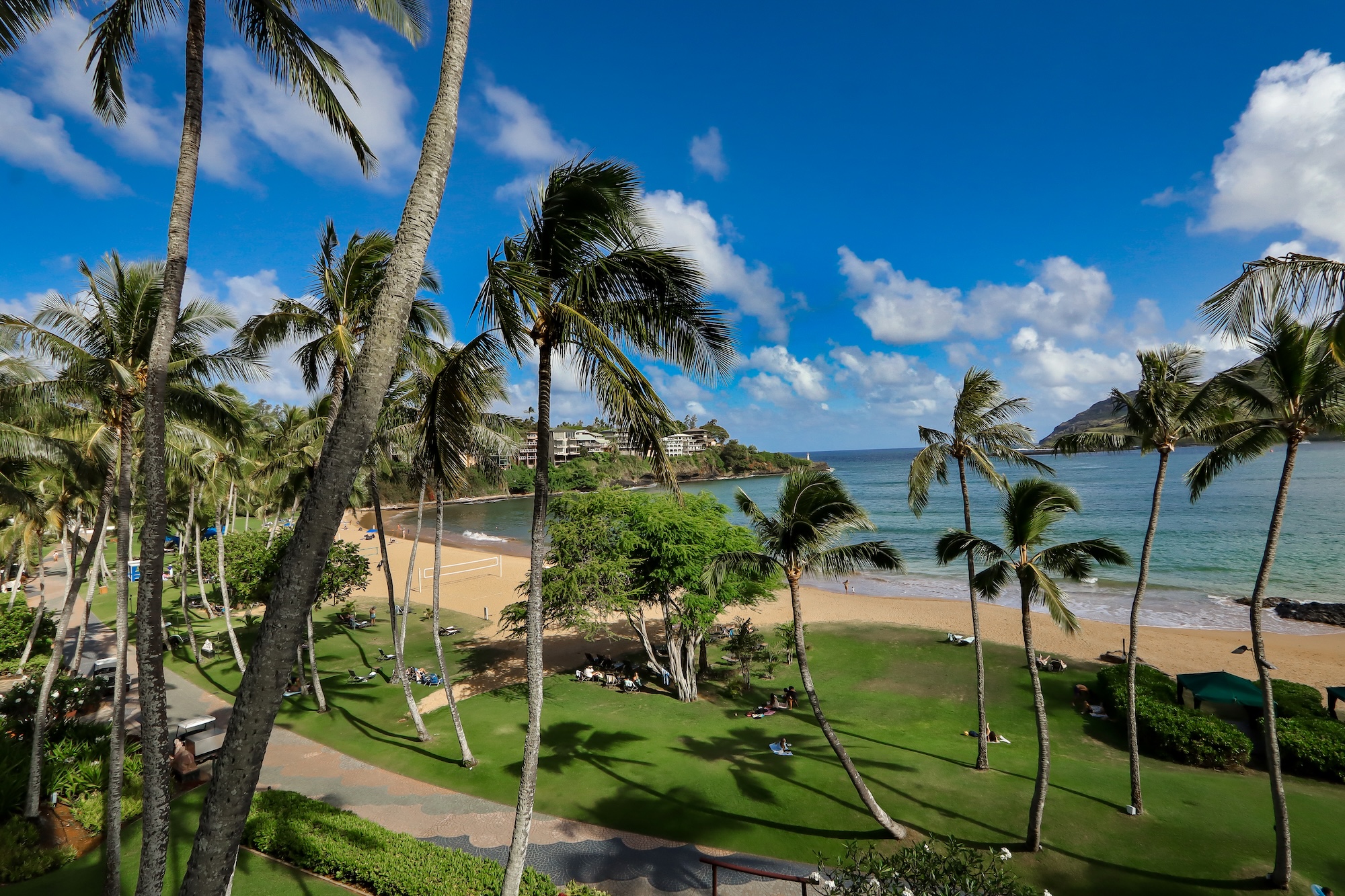
Marriott’s Kauai Beach Club
| Room Type | Tax Rate |
|---|---|
| 1 Bedroom Master/1 & 2 Bedroom Lock-Off (TL) | $14.40 |
| 1 Bedroom (TA) | $28.81 |
| 2 Bedroom (TF) | $31.70 |
| 2 Bedroom Master (TM) | $17.30 |

Marriott’s Ko Olina Beach Club
| Room Type | Tax Rate |
|---|---|
| 2 Bedroom (Villa) | $29.67 |
| 3 Bedroom (Villa) | $32.64 |
| 2 Bedroom (Lock-Off) | $9.89 |
| 3 Bedroom (Lock-Off) | $9.89 |
| 2 Bedroom (Master) | $19.78 |
| 3 Bedroom (Master) | $22.75 |

Marriott’s Maui Ocean Club
| Room Type | Tax Rate |
|---|---|
| 1 Bedroom | $32.43 |
| 2 Bedroom Villa (MOC I) | $35.68 |
| 2 Bedroom Master (MOC I) | $32.43 |
| 2 Bedroom Lockoff (MOC I) | $3.25 |
| 2 Bedroom Villa (MOC II) | $39.97 |
| 2 Bedroom Master (MOC II) | $36.72 |
| 2 Bedroom Lockoff (MOC II) | $3.25 |
| 3 Bedroom Villa (MOC II) | $47.96 |
| 3 Bedroom Master (MOC II) | $44.71 |
| 3 Bedroom Lockoff (MOC II) | $3.25 |

Marriott’s Waiohai Beach Club
| Room Type | Tax Rate |
|---|---|
| 2 Bedroom (Villa) | $26.10 |

Marriott’s Waikoloa Ocean Club
| Room Type | Tax Rate |
|---|---|
| 1 Bedroom | $23.60 |
| 2 Bedroom | $25.96 |

Marriott’s Kauai Lagoons – Kalanipu’u
| Room Type | Tax Rate |
|---|---|
| 2 Bedroom (KT) | $31.68 |
| 3 Bedroom (KX) | $37.40 |
Marriott’s Approach to Transient Occupancy Taxes
Decoupling Taxes from Maintenance Fees
One of the unique aspects of Marriott Vacation Club’s approach is the decision to separate transient occupancy taxes from annual maintenance fees. This means that owners only pay these taxes if they stay at their home resort in Hawaii. For owners who choose to exchange their week through Interval International or rent out their ownership, this separation can result in significant savings.
By contrast, some other timeshare developers include transient occupancy taxes in their maintenance fees, requiring owners to pay these taxes regardless of whether they stay at their home resort. This approach can be less flexible and more costly for owners who prefer to explore other destinations.
Benefits for Owners
Marriott’s approach provides several advantages:
- Flexibility: Owners who exchange their week or rent out their timeshare avoid paying occupancy taxes for a stay they don’t use.
- Transparency: Taxes are clearly itemized and paid only when applicable, making it easier for owners to understand their costs.
- Potential Cost Savings: By not bundling taxes into maintenance fees, owners have more control over their expenses, especially if they frequently exchange their week or rent out their ownership.
Conclusion
Understanding transient occupancy taxes in Hawaii is an essential part of planning your stay at a Marriott Vacation Club resort. These taxes vary by resort and room type, so it’s important to review the rates to budget accordingly.
Marriott’s decision to decouple these taxes from maintenance fees provides owners with greater flexibility and cost savings, especially for those who exchange their week or rent out their ownership. By being informed about these taxes and Marriott’s approach, you can better plan your vacation and make the most of your timeshare ownership.