
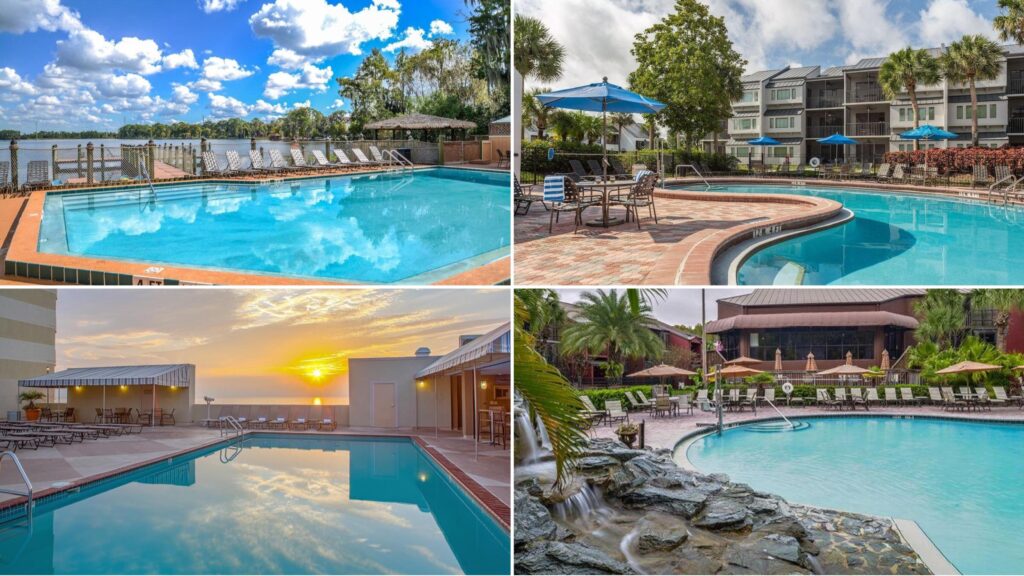
Hilton Grand Vacations has announced plans to transfer management and developer rights for eight legacy resorts that became part of its portfolio through the Diamond Resorts acquisition. For Hilton timeshare owners, the key point is this: the change mainly affects certain Hilton Vacation Club properties that were formerly Diamond Resorts, not the core Hilton Grand Vacations resorts developed under the traditional HGV brand.
If you own at one of the affected resorts, this transition may change how your ownership is serviced, what booking options are available, and which exit or conversion choices make sense for you.
What Hilton Grand Vacations Announced
During its Q1 2026 earnings call, Hilton Grand Vacations discussed a portfolio change involving eight older resorts. The company entered into an asset purchase agreement on April 24, 2026, to transfer its interests in these properties.
The management and developer rights are being transferred to Lemon Juice Solutions. The management change is expected to take effect on July 1, 2026, with the full disposition expected to be completed by the end of Q3 2026.
This move appears to be part of HGV’s broader effort to streamline its portfolio. Large vacation ownership companies often review acquired resort inventory over time, especially after major acquisitions. Older properties, higher carry costs, and resorts that do not fit a brand’s long-term growth plans may eventually be sold, transferred, restructured, or removed from the main club system.
In simple terms: Hilton Grand Vacations is separating these specific legacy resorts from its ongoing vacation club strategy.
The 8 Hilton Vacation Club Resorts Affected
The transition applies to eight resorts that were originally part of the Diamond Resorts portfolio and later became associated with Hilton Vacation Club.
The affected properties are:
- Alhambra Villas in Kissimmee, Florida
- Beach Quarters Resort in Virginia Beach, Virginia
- Brian’s Spanish Cove in Orlando, Florida
- Fairway Forest Resort in Sapphire, North Carolina
- Orbit One Vacation Villas in Orlando, Florida
- Parkway International Resort in Kissimmee, Florida
- Riviera Oaks Resort and Racquet Club in Ramona, California
- Sunrise Ridge Resort in Pigeon Forge, Tennessee
These are not traditional Hilton Grand Vacations-developed resorts. They are legacy Diamond Resorts properties that became part of the Hilton Vacation Club structure after HGV acquired Diamond Resorts.
That distinction matters. Owners at core Hilton Grand Vacations resorts should not assume this change applies to their resort or ownership type. The practical impact is focused on owners tied to the eight named properties.
What Happens to Existing Reservations?
Reservations made before the July 1, 2026 management transfer are expected to be honored by the incoming management company.
Even if a reservation remains valid, the check-in process, owner services contact, payment instructions, or account access may change after the transition date.
If you have a reservation at one of the affected resorts, save your confirmation number, keep copies of written communications, and confirm the details before travel.
Why This Transition Matters for Owners
For many owners, the name on the management agreement may not seem important at first. But management and developer rights can affect the practical experience of owning a timeshare.
Depending on your ownership type and how you use it, this transition may influence:
- Where you can book
- Whether you retain internal Hilton network access
- How maintenance fees are billed and managed
- Whether conversion offers are presented
- Whether deed-back options become available
- The long-term future of the property
The biggest concern for many owners is flexibility. If you bought or kept your ownership because it offered access beyond your home resort, you should review whether that access continues after the transfer.
If you mainly use your fixed or deeded week at the same resort each year, the change may feel less disruptive. But even then, it is important to understand who will manage the property and how future decisions may be handled.
Owner Option 1: Convert to Hilton Vacation Club US Collection Points
Some owners at the affected resorts may be offered the chance to convert their deeded ownership into Hilton Vacation Club US Collection trust points.
Owner Option 2: Keep Your Local Deeded Ownership
Another option is to keep your existing deeded week or interval at the local resort.
Owner Option 3: Explore a Deed-Back or Voluntary Surrender
A third option is to ask whether your interval can be returned through a deed-back, surrender, or voluntary return program.
How to Decide Which Option Fits Your Situation
There is no single best answer for every owner. The right choice depends on how you use your ownership, what you pay each year, and whether you still value access to the affected resort.
Use this quick framework:
Consider Converting to Points If:
- You still travel often
- You want more booking flexibility
- You understand the maintenance fee structure
- You are comfortable with limited resale value
- You prefer a club-style system over a deeded resort week
Consider Keeping Your Deeded Week If:
- You use the home resort regularly
- Your maintenance fees are reasonable
- You value deeded ownership
- You are comfortable with the resort being managed outside the Hilton system
- You are willing to monitor future association decisions
Consider a Deed-Back If:
- You no longer use the ownership
- You want to stop future maintenance fees
- You do not want to convert to points
- You cannot find a practical resale option
- The association or management company offers a clear surrender process
Before signing anything, read all documents carefully and ask for written answers to your most important questions.
Broader Context: Why Hilton Is Moving These Resorts
This transition reflects a larger pattern in the timeshare industry.
When a major vacation ownership company acquires another brand, it often inherits a mix of properties. Some resorts fit the company’s long-term strategy. Others may be older, less profitable, more expensive to maintain, or less aligned with the brand’s future direction.
Hilton Grand Vacations’ acquisition of Diamond Resorts created a large combined portfolio. Over time, it is not unusual for a company to sort through that portfolio and decide which properties to keep, renovate, reposition, or remove from the core system.
For owners, the important point is not just why Hilton is making the change. The important point is how the change affects your specific ownership.
Final Takeaway
Hilton Grand Vacations’ transfer of management and developer rights for these eight legacy resorts is mainly a Hilton Vacation Club issue involving former Diamond Resorts properties. Owners at the affected resorts should review how the change may impact reservations, internal booking access, maintenance fees, resale potential, and exit options.
Your best next step is to identify your ownership type and compare the real cost of each path: converting to points, keeping your deeded week, or exploring a deed-back. The right decision is the one that matches how you travel now—not how you used the timeshare years ago.